




Breakfast is often thought of as one of the most important meals of the day, especially if you're trying to maintain a healthy weight. The best breakfast options contain protein, fiber, and only a little added sugar.
Most muffins won’t satisfy these requirements, so often they aren’t the best choice for starting your day.
Research shows that people who consume around 30 grams of protein for breakfast are more satisfied throughout the day and have fewer cravings and less hunger.
So how do you get 30 grams of protein? Do you have to skip your morning muffin and specialty coffee in order to lose weight?
Keep reading to find out.
What Makes a Typical Muffin Unhealthy?

Muffins are a super-convenient thing to grab from your local coffee shop on your way to work.
Unfortunately, most of them are high in calories, added sugar, and fat. A blueberry muffin you’d get at a coffee shop has a whopping 470 calories – almost double the amount found in a frosted chocolate donut – 68 grams of carbs, and a shocking 39 grams of sugar.
The carbs in this muffin usually come from refined white flour and added sugars, both of which have low or no fiber. You can expect to get 1 gram of fiber from this blueberry muffin, which is negligible given the number of calories it packs.
The nutrition found in muffins from commercial bakers isn’t much different from a generous serving of birthday cake.
A pumpkin muffin from Dunkin' Donuts has 39 grams of sugar. The blueberry muffin at Starbucks has 29 grams of sugar, while one Hostess Twinkie has 16 grams.
The Dietary Guidelines for Americans recommends limiting added sugar intake to less than 10% of total calories per day. If you eat a 2000 kcal diet, you’ll have already met 7.8% of your daily calories just from added sugar.
Foods that are high in refined carbohydrates and sugar are quickly and easily digested by the body, which means they won’t keep you feeling full and satisfied for long. You’ll be looking for something else to eat soon after even though you’ve just had almost 500 calories from a muffin.
Now muffins aren’t all bad. These things are only unhealthy if eaten on a regular basis. If every so often you want a muffin for breakfast or a snack, that’s no big deal. When you grab a bakery muffin for breakfast daily, that’s when you increase your risk for unwanted weight gain and other health issues.
What Would Make a Muffin Healthier?

Given that muffins from bakeries and coffee shops are low in fiber and high in sugar and calories, they aren’t the best option for breakfast every morning.
But say you like muffins – is there a way to make muffins healthier so you could eat them more often without sacrificing your waistline or your health?
Many studies show that people who eat a high-protein breakfast have fewer cravings and less hunger throughout the day, often making it easier for them to lose weight or maintain a healthy weight.
Making your muffins at home allows you to choose the ingredients and increase the protein content. Adding extra egg whites to a muffin recipe can increase protein slightly.
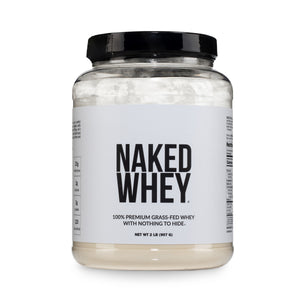
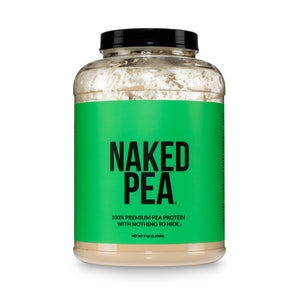
You can also add protein powder in place of some of the flour. This does require some experimentation, as baking is an exact science, and altering a recipe can change the final product.
Another way to make your muffins healthier is to replace artificial flavors with natural ingredients. Use fresh or frozen fruit to flavor and sweeten your muffins. Using double the amount of blueberries an original recipe calls for can really kick the flavor up a notch without adding artificial ingredients or more sugar.
Using unsweetened applesauce, stevia, and monk fruit sweetener are great ways to add sweetness without the added sugar. You can also use applesauce in place of oil to reduce fat and calories.
Remember, baking is a science, so making adjustments to a recipe can change the outcome of the product.
If you don’t feel like experimenting to perfect the final product, you can get a protein banana bread mix that you can also easily use to make muffins (instructions included on the label).
You get 15 grams of protein and only 5 grams of sugar per serving. Our favorite thing about this mix is that you can make a full batch of muffins (or bread), or make one at a time in the microwave.
Can I Eat Muffins and Still Lose Weight?
Losing weight requires a caloric deficit – meaning you need to eat fewer calories than you burn each day.
Eating high-protein and high-fiber foods can increase fullness and satisfaction, making it easier to control cravings and decrease your overall calorie intake.
Muffins can help you lose weight if they are high in protein and low in calories and added sugar.
High-protein muffins are a good option if your goal is weight loss. One Naked Bake muffin has 15 grams of protein and only 180 calories. All you have to do is add water and pop it in the microwave.
You can also make pancakes or banana bread. This versatile protein powder is a convenient way to help you lose weight.

How Much Protein Do I Need Each Day?
There are different recommendations for protein intake based on age, activity level, and goals. Adequate protein intake is essential to gaining muscle or losing weight.
Consuming 20–30% of your total calorie intake from protein is generally considered sufficient to provide health benefits. However, to decrease the loss of lean body mass lost during weight loss, daily protein intake should be roughly 1.6 - 2.2 grams per kilogram of body weight per day.
How Many Calories Do I Need to Lose Weight?
The best way to find out how many calories you need to lose weight is to track all of your current food intake for 7-10 days.
This should reflect your normal pattern of eating. Calculate the average of the 7-10 days, and that is your average daily caloric intake. Decrease this number by 100-200 calories and that is where you should start your calories for weight loss. If you don’t see any weight loss after 2 weeks, decrease your calories by another 100 calories. When you hit a plateau and are no longer losing weight, decrease your calories by another 50-100 calories.
You can also determine your calorie needs using a BMR calculator. To calculate how many calories you need, calculate your BMR based on your gender, height, weight, age, and activity level. Subtract 100-200 calories from your estimated BMR to start.
If you don’t see any weight loss after 2 weeks, decrease your calories by another 50-100 calories. When you hit a plateau and are no longer losing weight, decrease your calories by another 50-100 calories.
In addition to being in a caloric deficit, you need a good balance of all macronutrients, including protein, carbohydrates, and fat.
Conclusion
Muffins are a quick and easy choice for breakfast on the go, but unfortunately, many bakery and coffee shop muffins are high in calories and added sugar, and they lack protein and fiber. If your goal is to lose weight, these kinds of muffins are not the best option.
Muffins aren’t inherently bad, but if you consume them daily in place of a balanced breakfast, they won’t help you reach your weight loss goal.
Instead, choose a breakfast that is high in protein and fiber, and low in added sugar and calories. Naked Bake is a great alternative to coffeehouse muffins because they provide 15 grams of protein and only 5 grams of sugar.