



If you struggle with your weight, you’ve probably wondered at some point if your metabolism is just “slow,” compared to people who seem to lose weight and keep it off easily.
But is your metabolism really just slow, or is it possible that your metabolism just runs more efficiently with specific foods?
Metabolic typing is a theory that our unique body type oxidizes certain macronutrients more efficiently than others.
This theory proposes that due to genetics, some of us might function best when we eat a lot of carbs, while others may function best when they eat a lot of protein and fat. Sticking to your metabolic type may improve your metabolism, energy levels, and appetite.
In this article, we’ll go over the metabolic types with a specific focus on fat-protein efficiency.
What Are the Three Metabolic Types?
The three metabolic types are the following:
- Fat-protein efficient (also referred to as protein efficient)
- Carbohydrate efficient
- Mixed metabolism
How to know if you’re fat-protein efficient?

There’s no official “test” to figure out which type you are, but some naturopathic doctors and nutritionists may recommend a blood or urine test to assess indicators to help you figure out your metabolic type.
But here are some signs to look for to figure out your metabolic type.
Signs That You’re Fat-Protein Efficient
Fat-protein efficiency refers to high-protein and high-fat.
According to the metabolic typing theory, these people likely oxidize food quickly and have a “faster” metabolism.
Some signs that you could be fat-protein efficient include:
- Strong appetite
- Hungry often
- Crave salty foods more than sweet
- High-carb meals make you feel tired, grumpy and unsatisfied
If you’re fat-protein efficient, you’ll feel full and energized after eating a big steak, but hungry and sluggish soon after eating a big bowl of pasta.
Eating more carbs than protein and fat also makes it difficult for you to lose weight. People who are fat-protein efficient usually fail at low-calorie diets.
Signs That You’re Carbohydrate Efficient
People with a carbohydrate efficient diet need the opposite of fat-protein efficient people. They tend to oxidize food more slowly.
Signs you may be carbohydrate-efficient include:
- Not hungry as often
- Light eater at meals
- Crave sweets
- More likely to struggle with weight
If you’re carbohydrate efficient, your body needs healthy carbs like whole grains and starchy vegetables even though you may crave sweets and caffeine. It’s best to keep your meals light and focus on quality.
Signs of Mixed Metabolism
A mixed metabolic type is all about macronutrient balance. Everything is average about this metabolic type - the body oxidizes carbohydrate, protein, and fat at an average speed, and appetite is average.
With a mixed metabolism, weight isn’t typically a struggle. However, an unbalanced diet typically leads to feeling tired or irritable.
Should You Try a Fat-Protein Efficient Diet?

The most appealing part of determining and following a fat-protein efficient (or another metabolic type) diet is the ability to tailor your diet to your body’s needs.
Take the keto diet for example. It seems to work extremely well for some people, but not others.
Knowing you’re fat-protein efficient would help you make the decision to try a keto diet, knowing it would likely satisfy your metabolism. If you’re not fat-protein efficient, you would know keto isn’t likely to work for your body.
Framing your diet around your metabolic type still emphasizes an overall healthy diet. It doesn’t promote any type of restriction or typical forms of dieting.
This way of eating still focuses on eating whole, unprocessed foods, which is a great baseline for anyone. You just adjust your macronutrients around healthy whole foods, as we’ll discuss below.
There’s really no harm to giving this diet a try, because although it encourages an individual approach to nutrition, it simply emphasizes the foods that make you feel most energized and satisfied. Not bloated, sluggish or constantly hungry.
Are There Risks to the Fat-Protein Diet?
The most obvious downside for any metabolic type diet is lack of research. There just isn’t much out there to back it up.
There is only one published study on the subject, and the findings weren’t solid. The study followed a small group of rugby players in New Zealand to see if certain markers like metabolic rate and fasted glucose matched a metabolic typing questionnaire.
The study did not find a connection.
What to Eat on a Fat-Protein Efficient Diet?

The easiest way to think about a fat-protein efficient diet is keto or low-carb.
This could be a typical macronutrient breakdown.
- 60 percent fat
- 30 percent protein
- 10 percent carbohydrates
If you want to focus more on protein, let’s say if you’re regularly lifting weights and you need more amino acids for recovery and growth, then you could do the following.
- 40 percent protein
- 30 percent fat
- 30 percent carbohydrates
Either way is pretty heavy on protein and fat.
The types of protein and fat you eat are important in a fat-protein efficient diet. Protein should include:
- Nutrient-dense meats such as beef, dark meat chicken and turkey, organ meats
- Fatty fish like tuna and salmon.
You should get your fats from healthy and nutrient-dense sources as well.
- Full-fat dairy
- Eggs
- Oils
- Avocado
- Nuts and seeds

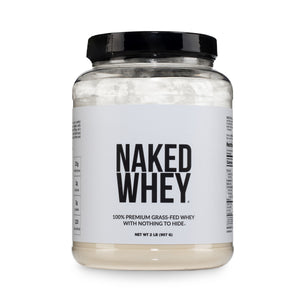
If you’re looking for an easy way to up your protein intake, you can check out our grass-fed whey protein powder.
Our cold processed whey is sourced from small California dairy farms, and contains zero additives.
Your carbohydrates should be mostly made up of whole grains and non-starchy vegetables, like broccoli, asparagus, brussels sprouts, etc.
The Takeaway
Metabolic typing is a diet method that promotes individual nutrition.
Although there isn’t a lot of research backing it up yet, there’s no significant downsides as long as you focus on nutrient-dense whole foods and don’t go too much over (or under) your daily calorie requirements.
To see if you might be fat-protein efficient, spend a day or two eating a high protein and high fat diet. Pay attention to how you feel an hour or two after each meal.
If you feel tired or grumpy, this probably isn’t your metabolic type.
But if you feel energized and satisfied between meals, it may be worth trying this diet long term.
Related posts: