



You’ve likely heard the buzz about collagen lately. Collagen foods and supplements have gained tremendous popularity over the years.
While the main sources of collagen are found in animal products, many other foods help to promote the production of collagen in the body naturally [1, 2].
So if you’re vegetarian, don’t fret. Below are some of the top 5 collagen-rich vegetarian-friendly foods you can add to your routine and enjoy the benefits of increased collagen production.
5 Collagen-Rich Vegetarian Foods

Citrus Fruits
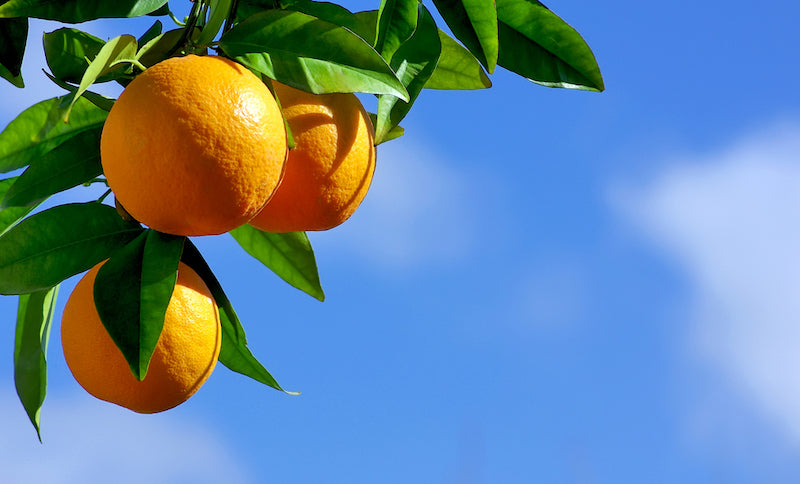
Vitamin C is an essential component in collagen production. Because of this, vitamin C-rich foods, such as citrus fruits, are a must-have when it comes to boosting this beneficial protein. Oranges, lemons, limes, and grapefruit are excellent sources of vitamin C [3].
Additionally, vitamin C helps with the absorption of iron, specifically from non-heme (a.k.a non-meat) sources. Combine your citrus fruits with high-iron foods such as nuts, seeds, beans, tofu, and lentils [4].
Leafy Greens
Leafy greens such as spinach, kale, arugula, bok choy, and swiss chard are rich in chlorophyll, an antioxidant that is responsible for their green color. Some studies suggest that chlorophyll can help to increase essential precursors to collagen [5].
The antioxidant properties also help to protect our cells from damaging free radicals which may cause disruptions in collagen production.
Leafy greens are rich in many essential vitamins, minerals, and fiber, and many of these greens are also good sources of iron.
Iron is an essential mineral that can be more challenging to get in a vegetarian diet as plant sources of iron aren't absorbed as well as animal sources. This can be increased with the presence of vitamin C-rich foods such as citrus fruits and berries [6].

Garlic
Calling all garlic lovers! This allium is not just a great flavor addition, but it may also help to boost collagen levels.
Garlic and other alliums, such as onions, contain high levels of sulfur, a trace mineral that is necessary for the production of collagen. Sulfur may also help to prevent the breakdown of collagen [7].
Additionally, garlic contains taurine and lipoic acid, which help to repair and rebuild collagen fibers that have been damaged [8].
Cashews
Cashews are not only a great plant-based protein for vegetarians, but they also contain a good source of zinc and copper, both of which help to boost collagen production in the body.
Copper is required for the development of both collagen and elastin, another essential protein that provides flexibility to our skin and tissues. While zinc works to repair collagen as well as create more collagen fibers [9].
Other vegetarian foods rich in zinc and copper include other nuts, whole grains, beans, and legumes.

Dairy
Dairy products such as milk, cheese, and yogurt are rich sources of protein for vegetarians. While they contain collagen, their benefits for increasing collagen production come from the essential amino acids glycine and proline, which are required for collagen synthesis [10].
Dairy products are also an excellent source of calcium and vitamin D, which is essential for bone health. The main sources of these vitamins comes from animal products therefore consuming dairy in a vegetarian diet can help to prevent any potential nutrient deficiencies [11].
Benefits of More Collagen Production
Collagen is a valuable protein produced by our body that is integral to the structure and integrity of our tissues, skin, and joints. As we age, our body begins to produce less, which can lead to sagging skin, wrinkles, joint pain, and more [1, 2].
Boosting your body's production of collagen naturally can have many benefits, including reducing the visible signs of aging, improving joint pain, and even boosting bone health.
Improved Skin Health

Collagen is one of the main components of our skin that is not only responsible for the structure but also the strength, elasticity, and hydration of our skin. When we produce less collagen, our skin becomes dry, saggy, and wrinkled, which can prematurely age you.
Consuming a diet rich in collagen-producing foods can help to naturally boost collagen synthesis, reducing visible signs of aging and giving your skin a more youthful appearance.
Other factors aside from age that can reduce collagen production include smoking, excessive alcohol intake, poor diet, excessive UV exposure, and poor sleep habits [12].
Reduced Joint Pain
Because collagen is also an essential part of our cartilage, which protects our joints, producing adequate amounts can help to protect against joint pain and inflammation, particularly from those who suffer from conditions such as osteoarthritis [13, 14].
May Prevent Bone Loss

Collagen is also an essential part of the structure of our bones. Consuming a diet rich in foods that encourage collagen production can help to reduce the breakdown of bone that occurs with age and can lead to conditions such as osteoporosis [15].
TL;DR
Collagen is an essential protein for the structure and function of our tissues and joints. Unfortunately, we begin to lose collagen as we age which can cause unsavory side effects including premature signs of aging, joint pain, and bone loss.
Consuming collagen-producing foods can help to improve collagen synthesis. While collagen mainly comes from animal sources, there are many vegetarian-friendly foods that also promote collagen production including citrus fruits, leafy greens, garlic, cashews, and dairy products.
These foods also contain essential vitamins, minerals, and other nutrients that support a healthy vegetarian diet and avoid potential nutrient deficiencies that may come when avoiding meat, poultry, and seafood products.