
suppléments
Créatine en poudre ou en gélules : laquelle vous convient le mieux ?
La créatine est l’un des suppléments les plus étudiés pour favoriser la force, la puissance et les performances physiques, mais choisir un supplément de créatine ne se résume pas à décider d’en prendre ou non. Une fois la décision prise d’intégrer la créatine à sa routine, une autre question pratique se pose : poudre ou capsules ? Les deux formes...

Dihydroberbérine vs. berbérine : quelle est la différence ?
Les suppléments de berbérine se présentent sous plusieurs formes, notamment le chlorhydrate de berbérine (HCl) et la dihydroberbérine (DHB). Les étiquettes peuvent indiquer des quantités très différentes, ce qui soulève des questions sur l’absorption, l’efficacité et les effets secondaires. En 2026, de petites études menées chez l’humain suggèrent que la DHB peut entraîner des concentrations sanguines de berbérine plus élevées...

Qu’est-ce que la berbérine ? Bienfaits, utilisations et mode d’action
Vous avez peut-être remarqué la berbérine sur l’étiquette d’un complément alimentaire ou dans une allégation de perte de poids. Avant de l’ajouter à votre routine, il est utile de comprendre ce que les chercheurs ont réellement étudié et si ces résultats s’appliquent à votre cas. La formule indiquée sur l’étiquette compte également. On ne peut pas comparer automatiquement différentes formes...

Les meilleurs peptides de collagène au chocolat de 2026
Que sont les peptides de collagène au chocolat ? Les peptides de collagène au chocolat sont du collagène hydrolysé, généralement de types I et III, aromatisé au cacao. Le collagène est décomposé en petits peptides pour se dissoudre facilement et être rapidement absorbé. Il provient généralement de peaux de bovins nourris à l’herbe ou de poissons marins. La plupart des...

Les meilleurs peptides de collagène avec acide hyaluronique de 2026
25 minute read
La meilleure poudre de glutamine de 2026
Qu’est-ce que la poudre de glutamine ? La glutamine est l’acide aminé le plus abondant dans l’organisme, et la forme présente dans les compléments est la L-glutamine. Dans des conditions normales, le corps en produit suffisamment, mais lors de périodes d’entraînement intensif, de stress physique ou de maladie, la demande peut dépasser l’offre, d’où le qualificatif d’acide aminé essentiel sous...
La meilleure poudre d’électrolytes de 2026
Qu’est-ce qu’une poudre d’électrolytes ? Une poudre d’électrolytes est une préparation à diluer qui apporte les minéraux essentiels que le corps perd par la transpiration et utilise pour rester hydraté. Les principaux électrolytes sont le sodium, le potassium, le magnésium et le chlorure. Ensemble, ils contribuent à l’équilibre des liquides, à la transmission nerveuse et au fonctionnement musculaire. Quand on...

Le meilleur colostrum issu de vaches nourries à l’herbe de 2026
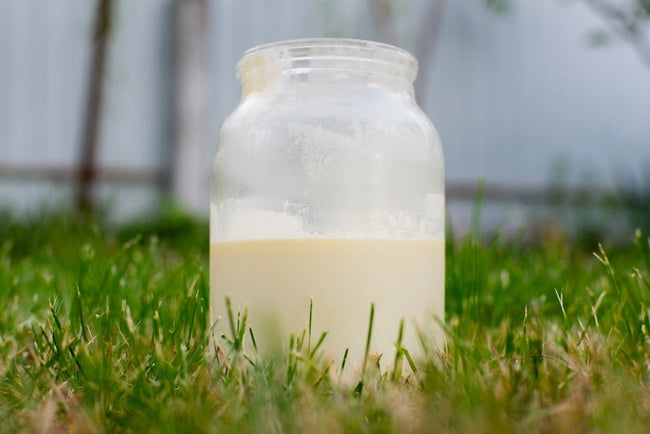
Qu’est-ce que le colostrum de vaches nourries à l’herbe ? Le colostrum est le premier lait produit par une vache dans les jours qui suivent immédiatement le vêlage, et sa composition nutritionnelle se distingue de celle du lait ordinaire produit ensuite. Il est riche en composés bioactifs dont le veau nouveau-né dépend pour bénéficier d’un soutien immunitaire précoce, et ce...
La meilleure poudre de créatine HCl de 2026
Qu’est-ce que la poudre de créatine HCl ? La créatine HCl, abréviation de chlorhydrate de créatine, est de la créatine liée à un groupe chlorhydrate. Cette petite modification rend la molécule bien plus soluble dans l’eau que la créatine monohydrate classique, ce qui explique pourquoi les produits à base de HCl se dosent différemment. Alors que la dose habituelle de...

La créatine est-elle mauvaise pour les reins ? Ce que les études disent vraiment
Chez les personnes en bonne santé, la créatine n’est pas mauvaise pour les reins. Plusieurs revues et méta-analyses montrent que la créatine monohydrate prise à des doses normales n’endommage pas la fonction rénale. Elle peut légèrement augmenter un marqueur sanguin appelé créatinine, ce qui peut parfois donner l’impression, à l’analyse, d’une baisse de la fonction rénale, mais cela reflète la...
La créatine est-elle un stéroïde ? Non, et voici la vraie différence.
Non, la créatine n’est pas un stéroïde. C’est un composé naturel que votre organisme produit à partir d’acides aminés et qu’il obtient aussi d’aliments comme la viande et le poisson ; elle est stockée dans les muscles et sert à fournir rapidement de l’énergie. Les stéroïdes anabolisants sont des hormones synthétiques apparentées à la testostérone qui agissent d’une tout autre...
Combien de temps la créatine reste-t-elle dans votre organisme ?
Cela dépend de ce que vous entendez par « dans votre organisme ». Dans votre sang, la créatine est rapidement éliminée : après une dose, son taux atteint son maximum en une heure ou deux environ et sa demi-vie est d’environ trois heures. Les taux sanguins et urinaires reviennent à la normale dans la semaine suivant l’arrêt. Dans vos muscles,...

Gummies de créatine ou poudre : qu’est-ce qui est vraiment mieux ?
Les gommes à la créatine et la poudre sont toutes deux efficaces, à condition que le produit contienne réellement la quantité de créatine monohydrate annoncée. La créatine agit en s’accumulant dans vos muscles au fil du temps : la forme ne change donc pas le résultat. La poudre coûte moins cher, s’appuie sur des recherches et permet de contrôler précisément...