




Key Takeaways
- Faster digestion: Whey isolate digests and absorbs more quickly than whey concentrate because it contains minimal fat, carbohydrates, and lactose — all of which slow gastric emptying.
- Higher protein purity: Isolate is 90 to 95% protein by weight; concentrate sits at 70 to 80%, with the remaining calories coming from fat, carbs, and lactose.
- Post-workout advantage: Isolate's rapid amino acid delivery makes it the stronger choice for post-workout recovery, particularly for athletes training at high intensity or frequency.
- Concentrate has real value too: The fat, carbohydrates, and minerals in whey concentrate support broader nutritional needs and provide a more sustained amino acid release between meals.
- Lactose sensitivity is a tiebreaker: If you're sensitive to lactose, whey isolate is the clear choice. Whey concentrate retains significantly more lactose from the original milk source.
- Both build muscle: Either form of whey delivers a complete amino acid profile including BCAAs. Isolate may offer a timing edge, but concentrate works well for most people's daily protein goals.

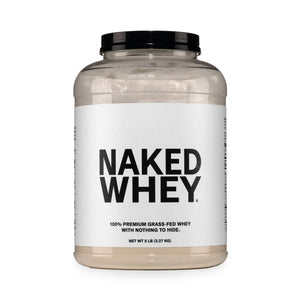
Grass Fed Whey Isolate Protein Powder | Naked Whey Isolate - 2LB
- Whey Protein Base
- Protein Isolate
- Grass-Fed Source
- No Artificial Additives
Does Whey Isolate Digest Faster Than Concentrate?

Yes, whey isolate digests faster than whey concentrate — and the reason comes down to composition, not marketing. Because whey isolate is lower in fat, carbohydrates, and lactose, your body processes it more efficiently and amino acids reach your bloodstream sooner. If you've been debating whether the difference between whey isolate vs. whey concentrate is real or just label noise, the digestion speed gap is real and it matters in specific contexts.
Whey isolate goes through additional filtration steps that strip out most of the fat, lactose, and carbohydrates present in the original whey liquid. What's left is a highly concentrated protein fraction — typically 90% or more protein by weight. Concentrate skips those extra filtration passes, which is why it retains more of the nutritional profile of whole milk.
The practical upshot: isolate clears your stomach faster, reaches your small intestine sooner, and delivers amino acids to your muscles more quickly. For athletes with specific recovery windows, that speed matters. For someone using protein powder to hit their daily macros, the difference is less critical. This article explains the full picture so you can choose the right form for your situation.
Whey Isolate vs. Whey Concentrate: What's the Difference?

Both whey isolate and whey concentrate start in the same place: the liquid byproduct left over after milk is curdled during cheese production. That liquid whey is then filtered and dried into powder. The key difference is how much filtration happens before it reaches your shaker bottle.
Whey concentrate undergoes a basic filtration process that removes water, some fat, and some lactose — but retains meaningful amounts of each. Whey isolate goes through additional processing, typically microfiltration or ion exchange, that pushes protein purity above 90% while reducing fat and lactose to near-zero levels. More processing means a cleaner protein profile, but also a higher cost per serving.
| Attribute | Whey Isolate | Whey Concentrate |
|---|---|---|
| Protein by weight | 90 to 95% | 70 to 80% |
| Fat per serving | Minimal (0 to 1g) | Moderate (2 to 5g) |
| Carbohydrates per serving | Very low (0 to 2g) | Low to moderate (3 to 8g) |
| Lactose content | Trace amounts | Low to moderate |
| Calories per serving | Lower | Slightly higher |
| Cost per serving | Higher | Lower |
| Digestion speed | Faster | Moderate |
Neither form is inherently superior. The right choice depends on your digestion, your budget, and what role the protein is playing in your diet.
Why Whey Isolate Is Absorbed More Quickly

Digestion isn't a single step. Protein first gets broken down in the stomach by acid and enzymes, then passes into the small intestine where amino acids are absorbed into the bloodstream. The speed of that entire journey depends heavily on what else is in your stomach at the same time.
Fat and carbohydrates slow gastric emptying — the rate at which food leaves your stomach and enters the small intestine. This is a normal physiological response. Your body regulates how quickly it pushes food through based on the composition of the meal. When fat and carbs are present, digestion slows to allow complete breakdown. Whey concentrate contains both, which is why it moves through your system more gradually.
📊 What Research Says
Studies on whey protein digestion show that plasma amino acid levels peak significantly faster with rapidly absorbed proteins compared to slower proteins like casein. Whey isolate's near-zero fat and lactose content means gastric emptying is not delayed, allowing amino acids to reach peak blood concentration in roughly 60 to 90 minutes after consumption — faster than concentrate under equivalent conditions.
Lactose also plays a role. For individuals with any degree of lactose sensitivity, the lactose in concentrate can trigger a mild inflammatory response in the gut, which further slows absorption and may cause bloating or discomfort. Isolate's trace lactose levels sidestep this issue entirely. The result is a cleaner transit from stomach to small intestine to bloodstream, with amino acids arriving at muscle tissue sooner and in a more concentrated wave.
How Digestion Speed Affects Muscle Recovery and Growth
The reason digestion speed matters for athletes comes down to muscle protein synthesis — the process by which muscle fibers are repaired and built after training. Muscle protein synthesis is driven by amino acid availability, and specifically by leucine, the BCAA that acts as the primary trigger for the anabolic signaling cascade. The faster amino acids appear in circulation, the sooner that process can begin.
- Resistance training creates micro-damage in muscle fibers, signaling the need for repair and adaptation.
- Leucine from dietary protein triggers mTOR, the main anabolic signaling pathway that initiates muscle protein synthesis.
- A rapid spike in blood amino acids — from fast-digesting proteins like whey isolate — produces a stronger, more immediate anabolic response post-workout.
- Both isolate and concentrate contain high leucine levels, but isolate delivers that leucine to the bloodstream faster.
The post-workout window — roughly 30 to 60 minutes after training — is when muscles are most sensitive to incoming nutrients. Providing rapidly absorbed protein during this period supports faster recovery and better adaptation. Whey isolate's digestion profile aligns well with this window.
That said, the difference in outcomes between isolate and concentrate is not dramatic for the average gym-goer hitting the weights three times a week. Both forms of whey will support muscle growth when total daily protein intake is adequate. The timing advantage of isolate becomes more meaningful for competitive athletes, those training multiple times per day, or anyone optimizing every variable of recovery.
Who Should Choose Whey Isolate?

Whey isolate earns its higher price point in specific situations. It's not for everyone, but for the right person, it's the clearly better option.
- Post-workout recovery priority: Athletes focused on maximizing muscle protein synthesis immediately after training benefit most from isolate's fast absorption. The rapid amino acid spike aligns directly with the post-exercise anabolic window.
- Lactose intolerance or sensitivity: Whey isolate contains only trace amounts of lactose, making it well-tolerated by most people who experience discomfort with dairy-based products. If whey concentrate gives you bloating or digestive issues, isolate is the fix.
- Calorie-controlled or low-carb diets: With near-zero fat and minimal carbohydrates, isolate delivers more protein per calorie than concentrate. For anyone managing macros tightly — whether for body recomposition, fat loss, or contest prep — that efficiency matters.
- Highest protein-per-calorie ratio: If you're eating in a deficit and every gram of protein needs to count, isolate gives you more grams of protein per 100 calories than concentrate does.
Naked Nutrition's grass-fed whey isolate is sourced from pasture-raised cows in New Zealand and contains no artificial sweeteners, fillers, or unnecessary additives — just high-purity protein from a clean source.
Who Should Choose Whey Concentrate?
Whey concentrate is not a compromise product. For many people, it's the smarter choice — and the nutritional profile backs that up.
- Budget-conscious buyers: Concentrate costs less per serving because it requires less processing. You still get a complete, high-quality protein with the full BCAA profile. The savings over months of consistent use add up significantly.
- Those who tolerate lactose well: If dairy doesn't bother you, concentrate's slightly higher lactose content is a non-issue. You get a broader nutrient profile including potassium, magnesium, and phosphorus alongside your protein.
- Sustained amino acid release: The moderate fat and carbohydrate content in concentrate slows digestion — which is actually useful between meals. A more gradual amino acid release helps maintain positive muscle protein balance over a longer period. Research published in the Journal of the International Society of Sports Nutrition confirms that protein is better utilized by muscle cells when a carbohydrate source is available [1].
- Those wanting broader nutritional value: Concentrate's nutrient profile more closely resembles whole milk — healthy fats, natural carbohydrates, and essential minerals included. For people not focused on strict macro tracking, this added nutrition is a genuine benefit.
Naked Nutrition's grass-fed whey concentrate delivers clean, whole-food-sourced protein without proprietary blends or artificial ingredients.
Naked Nutrition's Whey Protein: Isolate and Concentrate Options
The quality of whey protein isn't just about isolate vs. concentrate — it's about where the whey comes from and what gets added to it. Most commercial protein powders are built around fillers, artificial sweeteners, and low-grade whey sourced from feedlot dairy operations. Naked Nutrition does the opposite.
All Naked Nutrition whey proteins are sourced from grass-fed, pasture-raised cows in New Zealand — a country with some of the strictest animal welfare and environmental standards in the world. Grass-fed dairy produces milk with a better fatty acid profile and a cleaner starting material for protein extraction.
Both Naked Whey Isolate and Naked Whey Concentrate contain only what the label says. No artificial flavors. No proprietary blends. No sucralose or acesulfame potassium hiding in a "flavor system." The ingredient list is short because nothing unnecessary made it in.
- Naked Whey Isolate: 25g of protein per serving, less than 1g of fat, less than 2g of carbohydrates. Ideal for post-workout recovery, calorie-restricted nutrition plans, and anyone with lactose sensitivity. Available at nakednutrition.com.
- Naked Whey Concentrate: 25g of protein per serving with a naturally broader macro profile. Best for daily protein supplementation, between-meal use, and budget-conscious athletes who want clean sourcing without the premium price of isolate. Available at nakednutrition.com.
If you're deciding between the two, start with what your digestion, budget, and training schedule actually require. Both products deliver high-quality protein from an honest source. The right one is the one you'll use consistently.
Frequently Asked Questions
Does whey isolate actually digest faster than whey concentrate?
Yes, whey isolate generally digests faster than concentrate. The processing that removes most of the fat and lactose from isolate results in a leaner protein that clears the gut more quickly, delivering amino acids to the bloodstream sooner after consumption.
What is the difference in protein content between whey isolate and concentrate?
Whey isolate contains at least 90% protein by weight, while concentrate typically falls between 70% and 80%. That gap reflects the extra filtration isolate undergoes, which strips away more fat, carbohydrates, and lactose.
Is whey isolate better for people who are lactose intolerant?
For most people with lactose sensitivity, whey isolate is the more tolerable option. The filtration process removes the majority of lactose, leaving behind a product that's unlikely to trigger the bloating and discomfort concentrate sometimes causes. That said, individuals with severe lactose intolerance should still read the label carefully, since trace amounts can remain.
When is the best time to take whey isolate versus concentrate?
Whey isolate is a better fit post-workout when you want fast amino acid delivery to muscles already primed for recovery. Concentrate works well at other points in the day when slower digestion isn't a concern, and the small amount of additional fat and carbohydrates can actually support satiety between meals.
Is whey isolate worth the higher price compared to concentrate?
It depends on your goals and your gut. If you're lactose sensitive, training hard and prioritizing fast post-workout absorption, or tracking macros tightly, the higher protein percentage and faster digestion rate justify the cost difference. If you digest dairy well and train recreationally, a quality concentrate delivers strong results at a lower price point.
Does faster digestion mean whey isolate builds more muscle than concentrate?
Not automatically. Both forms provide a complete amino acid profile, including sufficient leucine to trigger muscle protein synthesis. The speed advantage of isolate is most relevant in the post-workout window, but research published in the Journal of the International Society of Sports Nutrition shows that total daily protein intake is a stronger predictor of muscle gain than timing or protein source alone.
What should I look for on a whey protein label to confirm it's a true isolate?
Look for "whey protein isolate" listed as the first and ideally only protein source in the ingredients. The nutrition panel should show 25 or more grams of protein per serving with minimal fat and under 2 grams of carbohydrates. Products that blend isolate with concentrate are common, so check the order of ingredients closely.
Are there any third-party certifications I should look for when buying whey isolate?
Yes. Look for certifications from NSF Certified for Sport or Informed Sport, both of which test for banned substances and verify that the protein content on the label matches what's actually in the product. These certifications matter especially if you're a competitive athlete subject to drug testing, or simply someone who wants confidence in what they're consuming.
Top General Nutrition Picks
Chosen by 1 million+ customers. Free shipping on orders over $100.

Grass Fed Whey Protein Powder | Naked Whey - 5LB
$139.99
- ✓ Build and Maintain Lean Muscle Mass
- ✓ Boost Immune System
- ✓ Lose Fat
- ✓ Improve Heart Health

Vanilla Grass-Fed Whey Isolate Protein Powder | Naked Whey Isolate - 2LB
$74.99
- ✓ Whey Protein Base
- ✓ Protein Isolate
- ✓ Grass-Fed Source

Vanilla Whey Protein Powder | Naked Vanilla Whey - 5LB
$139.99
- ✓ Build and Maintain Lean Muscle Mass
- ✓ Boost Immune System
- ✓ Lose Fat
- ✓ Improve Heart Health